World Diabetes Day 2026
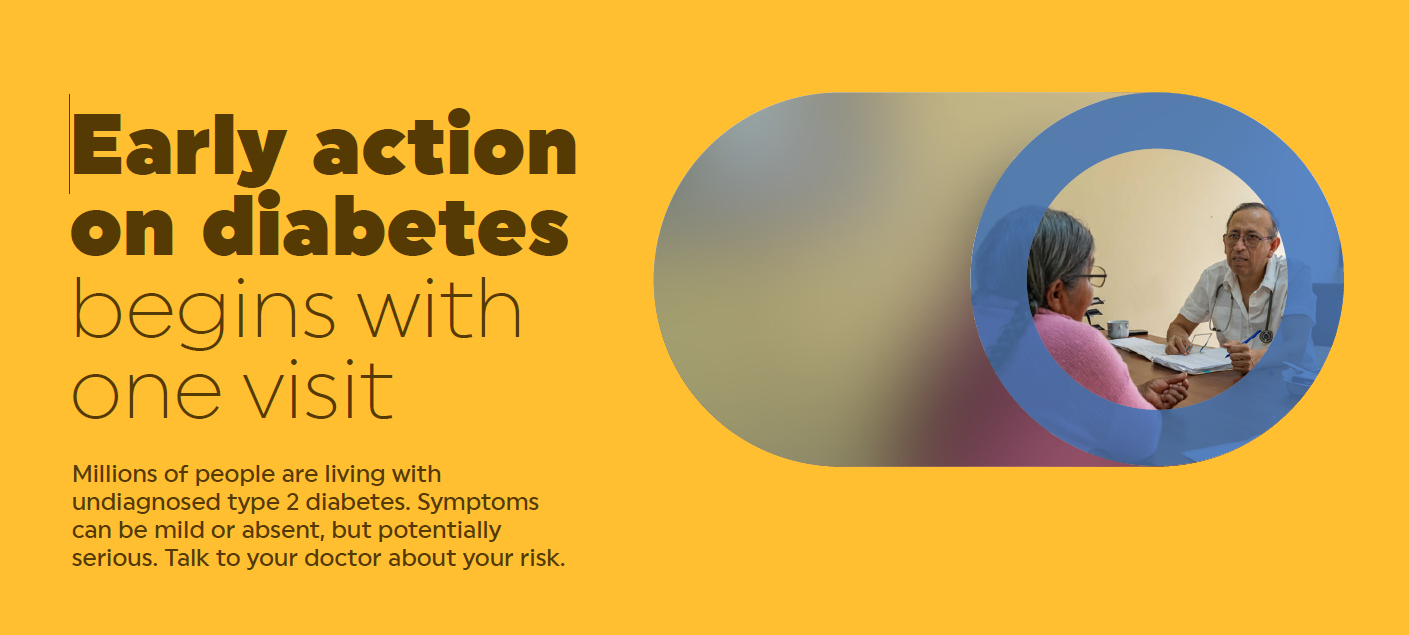
Early action on diabetes: more active, more often helps you prevent and manage type 2 diabetes
Saturday 14 November is World Diabetes Day, and this year’s theme is Early action on diabetes. It’s all about detecting diabetes earlier, understanding your own risk and getting support early. (World Health Organization)
The encouraging part is that type 2 diabetes can often be prevented or delayed, and the earlier you take action, the more you can change your health story. It’s worth knowing that type 1 diabetes can’t be prevented, but staying active safely can help people living with any type of diabetes.
Whether you’re thinking about your risk, have just heard the word ‘prediabetes’, or have lived with diabetes for years, you’re in the right place. Below you’ll find the facts that matter, a few simple ways to get moving.
Diabetes in Australia: the numbers
The figure | What it means |
Up to 2 million | Australians are living with diagnosed and undiagnosed diabetes, around 7.5% of the population. This includes an estimated 500,000 who are undiagnosed |
1 in 6 | adults over 25 (about 2 million people) have prediabetes or are at high risk of developing type 2 diabetes |
More than 300 | Australians are diagnosed with diabetes every day |
32% | increase in the number of Australians living with diabetes between 2013 and 2023 |
Sources: Diabetes Australia, State of the Nation 2024; Diabetes Australia, 2023 Snapshot. Figures are the latest published at the time of writing.
Here’s the encouraging part: many people can prevent or delay type 2 diabetes, and if you have prediabetes, regular activity and healthy eating can lower your risk.
Know the signs and know your risk
Type 2 diabetes often creeps up slowly and can cause few or no symptoms, so it can go unnoticed for years. Things to watch for include feeling unusually thirsty, needing the toilet more often, feeling tired or having blurry vision. If any of that sounds familiar, have a chat with your GP. (World Health Organization)
Wondering about your own risk? Your GP can do a diabetes risk check, or you can try the free AUSDRISK quiz online. It’s a short set of questions that estimates your chance of developing type 2 diabetes over the next five years. (Australian Government Department of Health, Disability and Ageing)
Why movement is medicine for diabetes
When your muscles are working, they pull glucose out of your blood to use as fuel. Regular exercise helps your body respond better to insulin, so it can use glucose more effectively. The research is encouraging, in a large trial, people at high risk who made lifestyle changes, eating well and staying active, cut their risk of developing type 2 diabetes by 58% over about three years. (NIDDK, Diabetes Prevention Program)
If you are living with diabetes, regular exercise can help you:
- Improve blood glucose control and long-term HbA1c levels
- Lower blood pressure and cholesterol, reducing heart disease and stroke risk
- Build strength, balance and confidence
- Manage weight, energy, sleep and mood
The Australian guidelines suggest adults aim for 30 minutes or more of moderate to vigorous activity on most days, plus some muscle-strengthening on two or more days a week. (Australian Government Department of Health, Disability and Ageing) It doesn’t have to happen all at once, and every little bit counts. If you’re new to exercise or living with diabetes, start gently and check in with your GP first.
Find a way to move that works for you
You don’t need to try everything. Choose a way to move that feels manageable and build from there. The ideas below can help you explore your options.
Your next step | Put it into practice |
Include some strength work | Make muscle-strengthening part of your routine, starting at a level that suits you. Where: gyms can offer strength-training equipment and guidance to help you get started. |
Try moving in water | Swimming, aqua aerobics or water walking are different ways to be active. Choose an option that suits your confidence and ability. Where: check a local pool’s timetable for suitable sessions. |
Find a comfortable starting point | If joint pain or a break from exercise has made movement difficult, start gently rather than trying to do too much at once. Where: ask a local warm water pool about suitable sessions and access requirements. |
Make room for connection | If you enjoy company, explore a group activity and support your social health at the same time. Where: check local leisure centres or community groups for activities. |
Get advice that fits your needs | Book an appointment with an allied health professional for support with diabetes, pain, mobility or eating well. Where: ask about services at your venue or nearby. |
Give golf a go | Try golf as a way to be active outdoors, with friends or on your own. Walk between shots where comfortable and choose a session that suits your ability. Where: ask a local golf course or driving range about beginner options. |
Living with diabetes? Medicare may help cover your care
If you have type 2 diabetes or another chronic condition, ask your GP about a GP Chronic Condition Management Plan. With a current plan and a GP referral, you may be able to access:
Medicare support | What you can access each calendar year |
Individual allied health | Up to 5 sessions (up to 10 for Aboriginal and Torres Strait Islander patients) with professionals such as Exercise Physiologists, physiotherapists, dietitians and diabetes educators |
Type 2 diabetes group services | 1 assessment plus up to 8 group sessions with an Exercise Physiologist, dietitian or diabetes educator, on top of the 5 individual sessions |
Your GP will decide whether a plan and referral are right for you. Medicare rebates apply, and a gap fee may apply, so please ask your provider about current fees. (Services Australia)
Exercising safely with diabetes
- Check with your GP before starting a new exercise program, especially if you take insulin or other glucose-lowering medication.
- If you monitor your glucose, check it before and after exercise.
- Carry a fast-acting snack, such as jelly beans or juice, in case of a hypo.
- Let our staff know you have diabetes so they can support you.
- Look after your feet: wear well-fitting shoes in the gym and thongs or aqua shoes on pool decks, and check your feet after exercise.
- Start gently, build up gradually and stay hydrated.
Take early action today
This World Diabetes Day, why not take one small step for your health? Speak with the team about getting started, try a class, or ask about allied health support. You don’t have to do it alone, and we’d love to help you get started.
Contact us
Speak to our friendly team at reception about how to get active at our venue today.
This article is general information only and is not medical advice. Please speak with your GP or health professional about your individual needs.